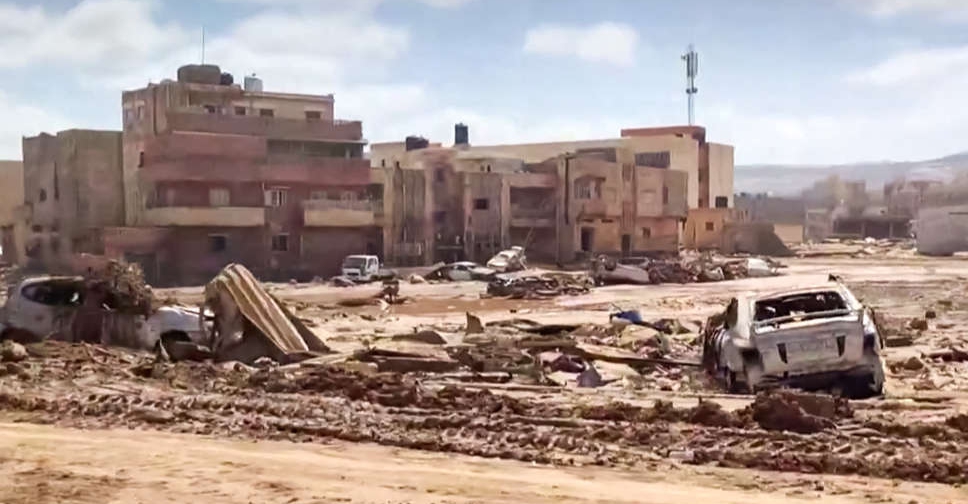
This image grab shows a general view of destruction in the wake of floods after Storm Daniel hit Libya's eastern city of Derna (AFP)
The UAE is working on a new digital response platform, that uses artificial intelligence, to reduce time taken to get vital supplies to countries in need.
The ground-breaking tool will allow countries to quickly specify what aid they need and at a precise location.
Speaking at Thursday's UN Security Council on advancing public-private humanitarian partnerships meeting, Lana Nusseibeh, UAE's permanent representative to the UN, said that the natural disasters in Syria, Türkiye, Morocco and Libya have highlighted the need for such a platform.
"In response to what we have seen over the past decade, the UAE has been developing a digital platform to support governments’ ability to better harness international support in the wake of natural disasters," she highlighted.
"By serving as essential information exchange and integrating advances in artificial intelligence, including machine learning, disaster-hit countries could use this digital tool to specify the types of aid needed at specific locations, and in what quantities so they get what they need when they need it."
Just this year, we have witnessed the devastating impacts of natural disasters in Syria, Türkiye, Morocco, and Libya.
During today's UN Security Council meeting, #UAExUNSC announced that the UAE will launch a digital disaster response platform that will address a clear gap in… pic.twitter.com/I7DyvmoL2N
Ras Al Khaimah’s Executive Council has declared remote working for all government employees on Friday, March 27, due to the unstable weather forecast across the country.
Dubai’s Roads and Transport Authority (RTA) has carried out more than 7,000 field visits and 11 inspection campaigns across the Dubai Metro and Tram right-of-way, as part of ongoing efforts to enhance safety and protect rail infrastructure.
Dr Anwar Gargash, diplomatic advisor to the UAE President, on Thursday has welcomed the UN Human Rights Council’s unanimous adoption of a resolution condemning Iran's "aggression against the Arab Gulf states and Jordan".
Reem Al Hashimy, UAE's Minister of State for International Cooperation, has asserted that "no country should be allowed to hold straits as hostage", while advocating for international governance on global passageways.



 Indian, Pakistani killed in falling debris incident in Abu Dhabi
 Ras Al Khaimah declares remote work for government staff on Friday
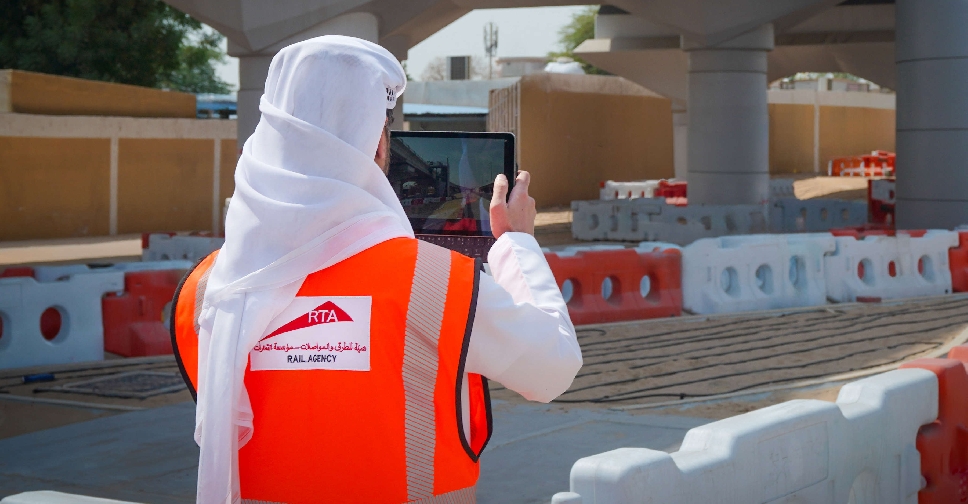 Dubai boosts rail safety with expanded inspections
 UAE air defences intercept 15 missiles, 11 drones on Thursday
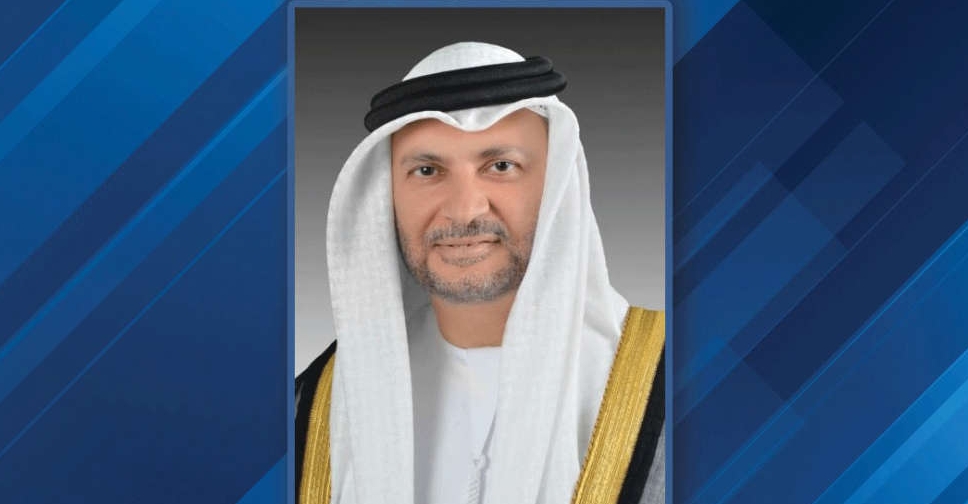 Gargash welcomes UN council's condemnation of Iran's 'brazen aggression'
 UAE minister says 'no country should hold straits as hostage'
 UAE issues alert for unstable weather conditions on Thursday